Should You Cover Your Buyer's Closing Costs? Here's How to Think About It.
A few years ago, this conversation didn't exist. Sellers weren't covering anything. No repairs. No credits. No negotiation. Buyers took the home on the seller's terms or lost it to the next person in line.
That market is gone. And sellers who are still operating like it isn't are the ones watching their listings sit.
Here's what you need to know about closing cost concessions — one of the most common negotiations happening in today's market — and how to think about it strategically instead of emotionally.
First, Let's Clarify What Buyer Closing Costs Actually Are
Closing costs are the fees and expenses buyers pay on top of their down payment when they purchase a home. According to Freddie Mac, these typically include loan origination fees, appraisal and inspection costs, title and attorney fees, and survey costs — among others.
The total usually lands somewhere between 2% and 5% of the purchase price. On a $400,000 home, that's $8,000 to $20,000 due at closing — on top of whatever the buyer is putting down.
In a market where affordability is already stretched and buyers are working hard just to get to the down payment, that closing cost number can be the thing that makes or breaks a deal — even for a buyer who can comfortably handle the monthly mortgage payment.
That's exactly why more buyers are asking for help. And why more sellers are saying yes.
How Common Is This? More Common Than You Might Think.
According to Zillow, 67% of sellers paid some or all of the buyer's closing costs in 2025:
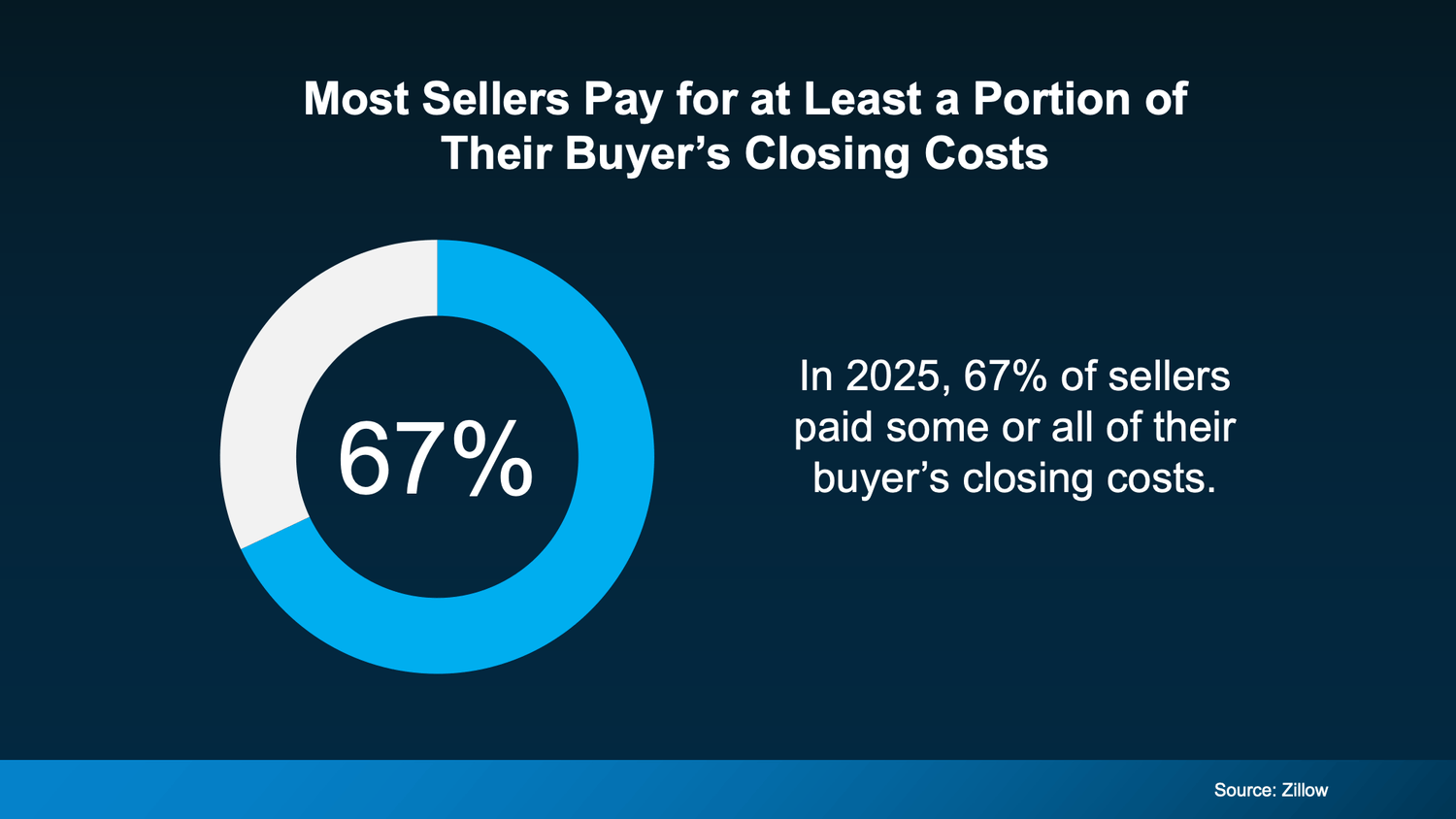
Two out of three sellers. That's not a fringe negotiating tactic anymore — it's become a standard part of how deals get done in a more balanced market.
That doesn't mean every seller should automatically agree to it. But it does mean walking into a sale without understanding this dynamic — and having a clear strategy for how you'll respond when it comes up — puts you at a disadvantage.
Why the Market Is Driving This Shift
Here's the context that makes everything else make sense.
According to Redfin data, there are currently more sellers active in the market than buyers:
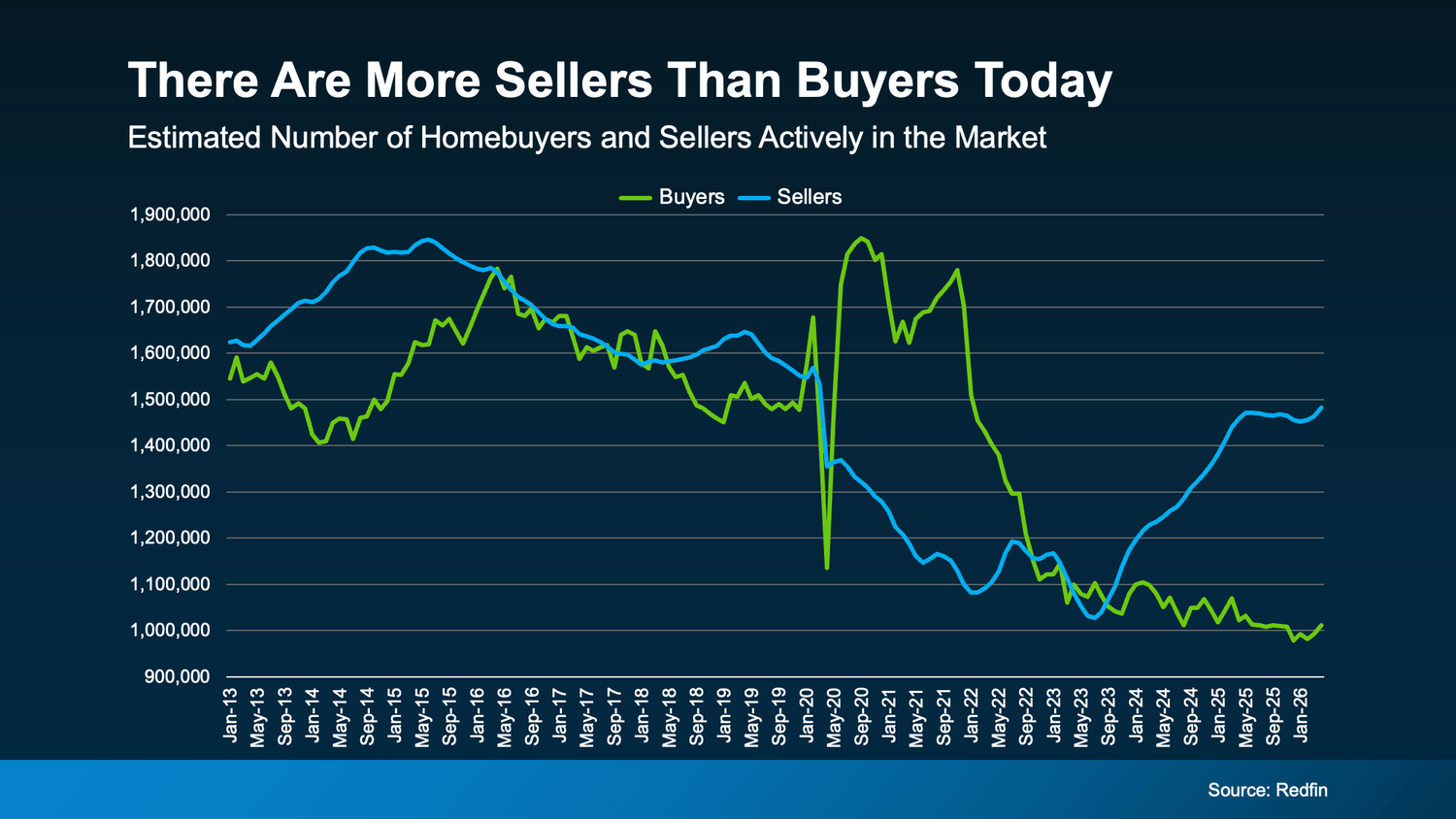
When supply exceeds demand — even modestly — buyers gain leverage. They have options. They can afford to ask for things they couldn't ask for when inventory was scarce and competition was fierce.
Now — this isn't uniform across every market or every price point. In some neighborhoods in Pasadena, well-priced homes in high-demand areas are still moving quickly and sellers retain meaningful leverage. In parts of Rancho Cucamonga where new construction is competing for the same buyer, existing home sellers are finding buyers more willing to walk if their needs aren't met.
That's exactly why local market conditions should drive your decision — not a blanket rule about what sellers should or shouldn't do.
When Saying Yes to Closing Costs Actually Makes Sense
This is where sellers get emotionally tripped up. The reaction is usually: "Why should I pay for their expenses?"
It's a fair question. But here's the reframe that changes the math:
You're not paying their expenses. You're deciding whether a concession that helps close the deal is worth more to you than holding firm and potentially losing the buyer — and starting over.
Helping with closing costs deserves serious consideration when:
Your home has been sitting on the market longer than comparable properties nearby. You've had showings but no offers — which is the market telling you something about perceived value or affordability. You're in an area with high inventory where buyers have real alternatives to your home. You're motivated to close on a specific timeline. Or you're in the final stretch of a negotiation and a reasonable concession is the difference between closing and relisting.
In those scenarios, a $5,000–$10,000 closing cost credit that gets the deal done is almost always better than the carrying costs, price reductions, and lost time that come with starting over.
Closing Costs Aren't Your Only Option
Here's something worth knowing before you assume it's either "pay closing costs" or "say no to everything."
There's a menu of concessions that buyers in today's market respond to — and the right one depends on what's actually driving hesitation in your specific situation. According to Redfin, alternatives worth considering include:
A home warranty that gives the buyer peace of mind about unexpected repair costs in the first year. Repair credits that address inspection findings without requiring you to manage the work yourself. Flexible closing dates that align with the buyer's timeline and remove friction from the transaction. Appliances or furniture left behind that add value without coming directly out of your proceeds.
Sometimes a buyer asking for closing cost help would actually be happier with a repair credit or a home warranty. The conversation reveals what they actually need — and your agent is the right person to have that conversation on your behalf.
The Bigger Point About Negotiating in This Market
The sellers who are closing deals right now — and walking away satisfied — aren't the ones who drew a hard line on every request. They're the ones who understood which concessions moved the needle on getting to closing, and which ones didn't.
Winning a negotiation isn't about saying no to everything. It's about knowing when holding firm serves your goals — and when flexibility gets you to the outcome you actually want faster and with less hassle.
In Pasadena and LA County, a seller who meets a qualified buyer halfway on closing costs often closes in 30 days and moves on with their life. The seller who digs in and loses that buyer starts over — relists, loses momentum, and often ends up accepting less from the next buyer anyway.
In Rancho Cucamonga, where buyers are weighing your home against new construction that comes with builder incentives, being strategically flexible can be the deciding factor. A builder will offer a rate buydown. You can offer a closing cost credit. Sometimes that's what tips the decision your way.
Bold LA Key Takeaway
Closing cost concessions are now part of how two out of three deals get done. That's not a sign of market weakness — it's a sign of market reality. And sellers who understand that reality and respond strategically are the ones closing on their timeline and moving forward.
The question isn't whether to negotiate. It's knowing what to negotiate on, what it's worth, and where to hold firm. That's a conversation best had with someone who knows exactly what buyers in your market are asking for right now.
If you're preparing to sell and want to know what concessions are reasonable, what's worth pushing back on, and what strategy gives you the best shot at a clean close — let's talk.
That wraps up today's blog — appreciate you stopping by.
And as always, if you want it to sell, call Terrell… and if you want to buy, I'm still the guy.


Terrell Bolden
REALTOR®
DRE#02110062
Realty Connection Group
Los Angeles, California
(323) 471-5295
Terrell Bolden has always had a passion for real estate and how it can be used as a tool to enhance daily life.
-A safe place to call home and raise a family.
-An appreciating asset that can be passed to loved ones, or used to finance the vacation of your dreams.
Terrell understands that real estate opportunities are plentiful and is deeply committed to helping others achieve their real estate dreams throughout the greater Los Angeles area.
Disclaimer: The information contained, and the opinions expressed, in this article are not intended to be construed as investment advice. Terrell Bolden, Realty Connection Group, DRE #02110062 does not guarantee or warrant the accuracy or completeness of the information or opinions contained herein. Nothing herein should be construed as investment advice. You should always conduct your own research and due diligence and obtain professional advice before making any investment decision. Terrell Bolden, Realty Connection Group, DRE #02110062 will not be liable for any loss or damage caused by your reliance on the information or opinions contained herein.
Let us know what you think in the comments!
Quick links
Newsletter
Subscribe to the newsletter and stay in the loop! By joining, you acknowledge that you'll receive our newsletter and can opt-out anytime hassle-free.